How to Choose a Reliable DC Charging Connector for Harsh Environments

In electric vehicle (EV) infrastructure, not all connectors are built the same, especially when harsh environments are involved. From coastal areas with salt-laden air to outdoor depots exposed to extreme temperatures, the EV charging connector you choose needs to deliver more than basic functionality. It must offer long-term durability, safe thermal performance, and weather resistance you can trust.


At Workersbee, we understand these challenges. That's why our DC charging connector (200A), built to the European standard DC 2.0, is rigorously tested to prove it can withstand the harshest real-world conditions. Let's break down what makes a connector truly “harsh-environment ready,” and how our lab test data backs it up.


Why Harsh Environments Require More from Your EV Connector?

What qualifies as a “harsh environment” in EV charging?


Temperature extremes: Think outdoor installations in regions with -40°C winters or scorching 85°C summers.


High humidity or rain exposure: Especially in subtropical or rainy regions.


Saltwater exposure: Common in ports, coastal zones, and marine logistics areas.


Heavy-duty usage: Public chargers or fleet applications that involve repeated plug-in/out actions.


Without the right design and materials, standard connectors may overheat, corrode, or wear out quickly in these environments—leading to downtime, increased maintenance, or even safety risks.


What to Look for in a Reliable DC Charging Connector?


1. Durability Through Repeated Use

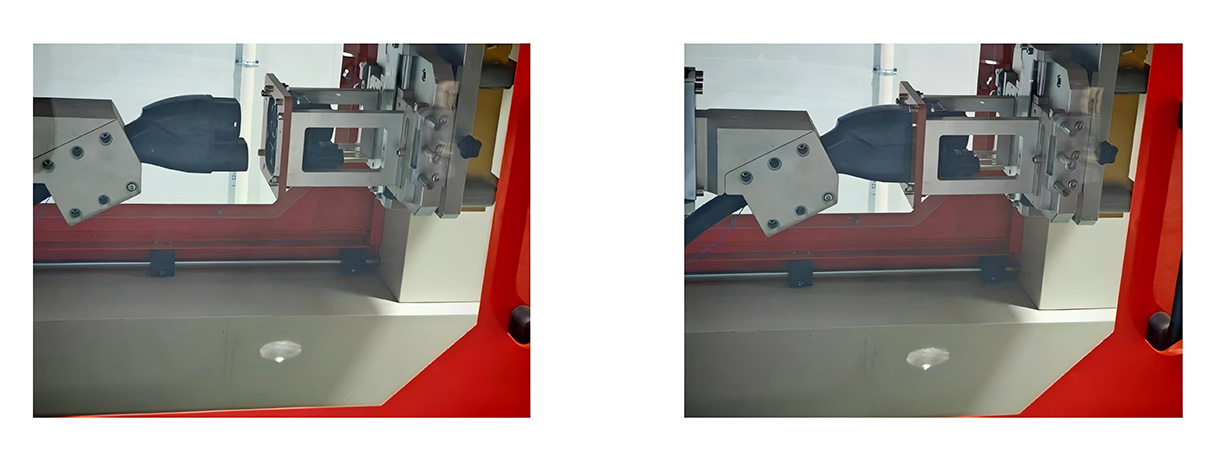
A connector designed for tough conditions should go far beyond the minimum plug cycle rating. The Workersbee DC charging Plug (200A) was tested to 30,000 plug-in/pull-out cycles—triple the expected life of many standard products. It maintained stable contact performance throughout, proving it's ready for high-volume public or industrial applications.
 

2. Certified Thermal Performance

When charging at high currents like 200A, heat management becomes a safety concern. That's why temperature rise testing for EV chargers is crucial. In our test, the connector maintained a maximum temperature rise of just 41.8K, well below the 50K safety threshold. This means our product ensures stable, safe operation—even during prolonged fast-charging sessions.


3. Resistance to Moisture, Humidity, and Salt

One of the standout features of the Workersbee connector is its saltwater-resistant charging plug design. In lab tests, we immersed the connector in a mud and saltwater solution, followed by 24-hour powered operation in alternating damp-heat conditions (95% humidity, -40°C to 85°C). The connector passed with zero failures.


4. Outdoor-Ready IP Rating

Our product is an IP-rated DC charging connector built to resist water and dust intrusion. This is essential for long-term outdoor installations, especially where water exposure is frequent.


5. Compliance with Industry Standards

Built to the European standard DC 2.0 connector specification, the Workersbee DC charging gun ensures compatibility with modern charging infrastructure and meets current safety benchmarks for high-current EV connectors.


What Makes Workersbee's Connector Stand Out


In 2025, Workersbee conducted an in-depth durability and environmental performance test through a third-party lab. Here's what was tested:

Test Item

Details

Plug-in/out cycles

30,000 cycles using a mechanical rig

Environmental stress

Mud and saltwater immersion every 6,000 cycles

Humidity/temperature test

24-hour alternating cycles at -40°C to 85°C, 95% humidity

Temperature rise check

Post-cycle thermal tests under full current

Result

Passed all tests. Max temperature rise: 41.8K


These results prove that Workersbee's durable EV charging solution isn't just compliant—it's reliable where it matters most: in the field.


Why It Matters for Infrastructure Operators and OEMs?

If you're sourcing EV components for industrial, public, or large-scale deployments, choosing connectors based on specs alone isn't enough. You need proof of real-world resilience.


Here's why the right connector impacts your business:


Lower maintenance costs: Durable products reduce failure rates and service interruptions.


Improved safety: Stable thermal performance in EV chargers means reduced risk of overheating. 


More uptime: Especially in logistics or public networks, reliability is crucial. 


Better ROI: Longer product life = better return on infrastructure investment.


1. What is a temperature rise test for EV chargers, and why is it important?

The temperature rise test measures how much heat builds up at critical contact points—like the terminals—of an EV charging connector during normal operation under load. In the case of high-current DC charging (like 200A), even minor resistance in the contacts can generate heat.


Too much heat not only shortens the life of the connector but also poses a serious safety risk to the vehicle and the charging system. According to safety standards, a temperature rise of less than 50K is considered acceptable.


In Workersbee's independent test report, our DC charging gun 200A reached a maximum temperature rise of 41.8K, even after 30,000 cycles and damp-heat exposure—well within safe limits. This means stable, long-term thermal performance you can count on, even in demanding installations.


2. Can this connector be used in coastal or high-humidity areas?

Yes—and it's specifically designed for that. Coastal regions introduce a high risk of salt corrosion, which can degrade unprotected components and lead to failures over time.


Workersbee's saltwater resistant charging plug was subjected to:


Mud/saltwater immersion tests


24-hour alternating damp-heat cycles under live current


Mechanical wear testing after environmental exposure


These extreme conditions simulate real-world use in ports, marinas, island facilities, or humid industrial zones. The connector passed all tests without damage, leakage, or electrical failure.


If you're installing EV chargers in salt-prone or moisture-heavy areas, this connector is a reliable choice to reduce maintenance costs and extend equipment lifespan.


3. What makes a connector “IP-rated,” and why does that matter?

An IP (Ingress Protection) rating defines how well a connector is sealed against solid objects (like dust) and liquids (like rain or splashes). For EV infrastructure, this is especially important for outdoor or semi-sheltered installations.


IP54/IP55: Protection against dust and splashing water (basic outdoor use)


IP65/IP67: High protection against dust and water jets or temporary immersion (ideal for harsh weather)


Workersbee's IP-rated DC charging connectors are sealed to resist dust, rain, and high-humidity exposure, ensuring long-term reliability even when installed in parking lots, warehouses, or roadside charging points without full enclosures.


4. How many plug cycles should a DC connector be rated for in B2B applications?

In B2B use cases—especially in fleet operations, bus depots, or public stations—connectors undergo thousands of cycles each year. A connector rated for only 10,000 cycles may fail within a few years, leading to costly replacements and downtime.


Workersbee's 200A charging gun is rated for and tested beyond 30,000 plug-in/pull-out cycles, verified by a third-party lab. This level of durability ensures it can support daily high-frequency usage for many years with consistent performance.


For example:


10 plug cycles/day x 365 days = ~3,650/year


30,000 cycles = 8+ years of reliable operation


This kind of durability helps optimize long-term ROI for infrastructure operators.


5. What is the European standard DC 2.0 connector, and why is it important for compatibility?

The European standard DC 2.0 is a specification designed to bring consistency, safety, and scalability to DC fast-charging equipment across the EU and global markets. It includes enhancements such as:


Higher current capacity support (up to 200A or more) 

Improved sealing and insulation 

Enhanced mechanical durability 

Greater interoperability with major EV platforms


Workersbee's connector is fully compliant with the DC 2.0 standard, meaning it's ready for integration into modern EV charging networks. This makes it easier for OEMs, infrastructure developers, and charging service providers to meet regulatory standards and ensure vehicle compatibility across Europe and beyond.

The lighting fixtures designed for garden solar street lamps

Garden solar street lamps are lighting fixtures designed for outdoor places such as gardens and courtyards, with the following features and advantages:


Energy saving and environmental protection: Using solar energy as energy, not consuming traditional electricity, reducing environmental pollution and energy consumption. Sunlight is converted into electrical energy through solar panels and stored in rechargeable batteries for nighttime lighting.


Easy installation: No need to lay complicated cable lines, just install the street light in the appropriate position to ensure that the solar panel can fully receive sunlight. Usually adopts integrated design or simple assembly method, which is convenient for users to install by themselves.


Intelligent control: Generally equipped with light control sensors, street lights can be automatically turned on and off according to the ambient light intensity. Some high-end products may also be equipped with human body sensing function. When someone approaches, the brightness will automatically increase, and when the person leaves, the brightness will decrease or turn off, realizing intelligent energy-saving lighting.


Safe and reliable: It uses low-voltage DC power supply, which is safer than the high-voltage AC power used in traditional street lamps and reduces the risk of electric shock. At the same time, the components of solar street lights are specially designed and processed, with excellent waterproof, lightning protection, and anti-corrosion properties, and can adapt to various outdoor environments to ensure long-term stable operation.


Beautiful and diverse: The appearance design of garden solar street lamps is rich and diverse, including simple modern, European classical, and country style, among others. You can choose according to the overall style of the garden and your personal preferences. They not only provide lighting functions but also serve as garden decorations, enhancing the garden's aesthetic appeal.


When installing garden solar street lamps, it is necessary to choose an installation location with abundant sunlight to ensure that the solar panels can fully receive sunlight. At the same time, the number and height of garden solar street lamp to be installed should be determined based on the lighting requirements and the layout of the garden, and they should be installed and debugged correctly in accordance with the instructions.


Our street lamp product services

Product quality guarantee: We promise that the product quality complies with relevant standards and regulations. Under normal usage conditions, a certain number of years of quality guarantee period will be enjoyed from the date of purchase. During the warranty period, for faults or damages caused by product quality issues, free repair or replacement services will be provided.


Installation guidance and technical support: Provide detailed installation guidance. If necessary, professional technicians can be dispatched for on-site installation guidance. We offer round-the-clock technical support. Customers can contact the after-sales service team through multiple channels for assistance.


Maintenance and repair service: During the warranty period, if the product malfunctions or gets damaged, the after-sales service team will respond promptly and arrange for on-site repair. Beyond the warranty period, we will continue to provide maintenance services and charge reasonable fees based on the actual fault conditions. Regularly arrange inspections to maintain and service the street lamps.


Accessory supply and replacement: We always keep various accessories in stock to ensure that customers can obtain the required parts in a timely manner and guarantee the normal operation of street lamps. During the warranty period, if the parts are damaged due to product quality issues, free replacement services will be provided.


Training services: We offer training on the installation, operation and maintenance of solar street lamps to ensure that customers can use and maintain the products correctly and extend their service life.


Personalized service: Based on customer needs, we provide personalized after-sales service plans to offer the greatest convenience and satisfaction to customers.


Quick response: We promise to respond within a certain period of time after receiving the customer's repair application and arrange maintenance personnel to rush to the site as soon as possible.


Working Principle and Future Development of Solar Panels An Efficient and Eco-Friendly Energy Solution

Solar panels work through the photovoltaic effect, which converts sunlight into electricity. Each solar panel is made up of multiple photovoltaic cells, typically composed of semiconductor materials like silicon. When sunlight hits these materials, photons excite electrons, creating an electrical current. This current is then transmitted through wires to power batteries or other devices, providing energy for homes or industries.


By converting solar energy into clean electricity, solar panels not only save on electricity bills but also reduce carbon emissions, making them an effective solution to the global energy crisis and climate change.


Environmental Benefits of Solar Panels

The use of solar panels is not only economically beneficial but also has a profound positive impact on the environment. First, solar energy is a renewable resource—abundant and inexhaustible—and its use does not produce any pollutants or greenhouse gas emissions. Thus, widespread adoption of solar panels helps reduce reliance on fossil fuels, effectively mitigating air pollution and slowing global warming.


Additionally, the manufacturing and lifespan of solar panels are continually being optimized. Modern solar panels are produced in increasingly eco-friendly ways, and recycling technologies are advancing, ensuring that their environmental footprint is minimized.


Evolution of Solar Photovoltaic Efficiency and Its Bright Future

Solar photovoltaic efficiency has been steadily improving over the years, with advancements in photovoltaic materials and cell design. From the initial efficiency of 5-6%, to the current standard of 15-20%, technological advancements have made solar power more economically viable and practical.


Particularly, N-Type Bifacial Solar Panel utilize both sides of the panel to absorb sunlight, improving efficiency. This technology is making solar panels more adaptable in various environments, and as technology progresses, the future of solar energy systems looks brighter.


The Importance of Solar Panel Maintenance and Repair

Although solar panels are highly durable, regular maintenance and repairs are essential for their long-term performance. While solar panels typically last for over 20 years, improper cleaning or lack of inspection can lead to reduced efficiency. Common maintenance tasks include:


Regularly cleaning the surface of solar panels to remove dust, dirt, and debris, ensuring they absorb as much sunlight as possible.


Checking the connections of the panels to ensure proper electrical flow.


Periodically inspecting the inverter and other system components to ensure smooth operation.


Timely repairs can extend the lifespan of the system and maintain its efficiency.


3 Best Places for Your Solar Panel Installation

The location of solar panel installation plays a crucial role in their efficiency. Different installation environments can impact the performance of solar panels. Here are the three best places for solar panel installation:


Roof: The roof is the most common and ideal location for installation. Most homes provide enough space for solar panels, and roofs are often unobstructed, receiving maximum sunlight.


Solar Carports: Solar carports are another excellent installation option. Solar panels installed on carports not only provide electricity for the home but also charge electric vehicles.


Open Land: For homes or buildings without suitable rooftops, open land can serve as an ideal space for solar panel installation. Large-scale solar farms can convert vast areas of land into electricity, meeting substantial energy demands.


What Are The Main Advantages of Solar Panels?

Solar panels offer numerous notable benefits, especially in the following areas:


Environmentally Friendly: Solar energy is clean and reduces the release of greenhouse gases, which helps decrease air pollution.


Sustainability: Solar energy is a renewable resource, making it a long-term energy solution.


Cost Savings: Installing solar panels reduces reliance on traditional energy sources, significantly lowering electricity bills in the long run.


Energy Independence: Solar panels allow homeowners and businesses to become less dependent on the external power grid, enhancing energy independence.


Choosing the right solar panel system not only boosts energy efficiency but also offers long-term economic returns.


N-Type Solar Panels: The Future of Solar Energy

For those seeking efficient, durable, and environmentally friendly solar panels, Full Black N-Type Solar Panel Company offers excellent N-type all-black solar panels. Compared to traditional P-type solar cells, N-type panels offer superior efficiency, durability, and low-temperature performance. Furthermore, N-type bifacial solar panels (N Type Bifacial Solar Panel Manufacturer) capture sunlight from both sides, increasing power generation efficiency, making them a key development in the future of solar energy.


If you’re looking for bulk purchasing, wholesale All black Solar Panels provides high-quality, competitively priced solar panels, making your solar energy project more economical and sustainable.

Choosing Solar Panels The Three Key Types You Need to Know

Choosing the right solar panel is a critical step toward achieving energy independence and sustainability. Whether you’re a homeowner or a business, understanding the strengths and limitations of each solar panel type will help you make the most informed decision for your energy needs.


The Basics of Solar Panel Types

Solar panels are primarily divided into three types: Monocrystalline Silicon Solar Panels, Polycrystalline Silicon Solar Panels, and Thin-Film Solar Panels. Each type has its own unique features, pros and cons, and ideal use cases. Understanding these characteristics will help you make an informed decision.


1. Monocrystalline Silicon Solar Panels

Features

Monocrystalline silicon solar panels are made from high-purity silicon wafers and offer very high efficiency and durability. They typically have a black appearance and round or rounded-edge rectangular shapes, making them popular for their high energy conversion rates.


Advantages

High Efficiency: Monocrystalline panels typically have an efficiency range of 18% to 22%, making them ideal for installations with limited space.

Long Durability: These panels have a long lifespan, often lasting 25 years or more.

Ideal for High-Demand Applications: They perform especially well in sunny regions, providing higher energy output.


Disadvantages

Higher Cost: Due to their complex manufacturing process, monocrystalline panels tend to be more expensive, making them more suitable for those with a larger budget.


Best Use Cases

Monocrystalline panels, such as the Full Black N-Type Solar Panel options, are perfect for residential, commercial, and industrial applications, especially for users with higher energy demands or limited installation space. They offer an ideal solution for those seeking efficient and long-lasting solar energy.


2. Polycrystalline Silicon Solar Panels

Features

Polycrystalline silicon solar panels are made from multiple silicon crystals and usually have a blue appearance. While they are slightly less efficient than monocrystalline panels, they offer a cost-effective alternative.


Advantages

Lower Cost: The manufacturing process for polycrystalline panels is simpler, making them more affordable.

Good Stability: While their efficiency is slightly lower, they still provide reliable energy output in most applications.


Disadvantages

Lower Efficiency: Polycrystalline panels typically have an efficiency range of 15% to 18%, which means you may need a larger area for the same energy output.

Shorter Lifespan: Polycrystalline panels generally have a shorter lifespan compared to monocrystalline panels.


Best Use Cases

Polycrystalline panels are ideal for homeowners or small to medium-sized businesses on a budget, especially when larger installation spaces are available. They provide a cost-effective solar energy solution.


3. Thin-Film Solar Panels

Features

Thin-film solar panels are made from thin layers of semiconductor materials and can be applied to various surfaces, including curved or irregular surfaces. They generally have lower efficiency but offer flexibility in large-scale installations.


Advantages

High Flexibility: Thin-film panels can be applied to different surfaces, making them suitable for irregular or curved areas.

Low Cost: Thin-film panels are usually cheaper to produce due to the simpler manufacturing process.

Lightweight: These panels are lightweight, which makes them easy to transport and install.


Disadvantages

Lower Efficiency: Thin-film solar panels usually have an efficiency range of 10% to 12%, so they require more installation space to generate the same amount of power.

Shorter Lifespan: Compared to other types, thin-film panels have a shorter lifespan, typically around 10 to 15 years.


Best Use Cases

Thin-film panels are best suited for large-scale commercial projects or solar farms, where space is not a constraint. They are also ideal for situations where aesthetics are less important.


How to Choose the Right Solar Panel for Your Needs

When selecting a solar panel, consider the following factors:

Budget

If you have a higher budget and want high efficiency and long lifespan, monocrystalline panels are the best choice. However, if you are on a tighter budget, polycrystalline or thin-film panels can provide a more cost-effective option.


Installation Space

If you have limited roof space or installation area, monocrystalline panels, like the Full Black N-Type Solar Panel, are a great choice due to their higher efficiency. On the other hand, if you have a larger space, polycrystalline or thin-film panels can offer a more economical solution.


Geographical Location

If you live in an area with abundant sunlight, monocrystalline panels will maximize energy production. In regions with more balanced sunlight conditions, polycrystalline or thin-film panels will still perform reliably.


Long-Term Return on Investment

While monocrystalline panels are more expensive upfront, their higher efficiency and longer lifespan make them a worthwhile long-term investment. If you plan to use your system for over 25 years, monocrystalline panels, such as Full Back Bifacial 440W Solar Panel, are a smart choice.


Choosing the right solar panel is a critical step toward achieving energy independence and sustainability. Whether you’re a homeowner or a business, understanding the strengths and limitations of each solar panel type will help you make the most informed decision for your energy needs.


Enecell’s all-black monocrystalline solar panels are crafted with cutting-edge technology and premium materials to deliver superior performance and long-lasting durability. With a 25-year power warranty, our panels ensure reliable energy production for years to come.

Understanding Energy Storage Systems and Their Efficiency

In recent years, as the world gradually shifts towards renewable energy sources like solar and wind power, energy storage systems have become increasingly important. These systems are used to store energy for later use, ensuring a reliable and continuous power supply even when sunlight or wind is insufficient. So, what exactly is an energy storage system, what is the best method for storing energy, and which is the most efficient? Let's explore these questions.


What is an Energy Storage System?

An Energy Storage System (ESS) is a device or technology used to store energy for later use. It works by converting electrical energy into a form that can be stored (such as chemical energy, mechanical energy, or thermal energy), and then converting it back to electrical energy when needed. Energy storage systems are particularly useful for balancing the fluctuations in renewable energy supply, as these energy sources (like solar and wind) are often affected by weather conditions.


Common energy storage methods include:

Battery Storage: Storing energy in chemical form is the most common energy storage method.

Pumped Hydro Storage: Using the principle of hydropower, water is pumped to a higher elevation to store energy, and then released to generate electricity.

Compressed Air Energy Storage (CAES): Storing energy by compressing air, which is then released to drive turbines and generate electricity.

Thermal Storage: Storing energy in the form of heat or cold, typically using materials like molten salts, which can be released when needed.


Off-grid Solar Energy Storage System: A Solution for Remote Areas

The Off-grid Solar Energy Storage System is an ideal choice for areas that are far from the power grid. This system combines solar panels with energy storage devices, providing reliable power in the absence of a grid. Not only is this system environmentally friendly, but it also ensures a stable power supply for users in locations where grid electricity is unavailable.


Such systems are especially suitable for rural, mountainous, or remote areas. With the energy collection capability of solar panels and the efficient storage capacity of batteries, the Off-grid Solar Energy Storage System enables users to achieve energy independence, reducing reliance on external power supplies.


All-in-One Residential Storage System: A Convenient and Efficient Home Energy Solution

As energy demands continue to rise, the All-in-One Residential Storage System has become a preferred solution for home solar applications. This system integrates solar panels, storage batteries, inverters, and energy management systems into a single unit, providing homeowners with a comprehensive energy storage solution.


The advantages of the all-in-one system include:

Simplified Installation: Compared to traditional systems, users only need to install one device, reducing complexity.

Space Efficiency: The integrated design saves space, making it ideal for residential use.

Smart Management: These systems often come with intelligent battery management systems (BMS), which optimize battery usage and monitor battery health.

The All-in-One Residential Storage System is perfect for homeowners who want to install a solar storage system in their homes, helping reduce energy consumption while increasing energy self-sufficiency.


What is the Best Energy Storage System?

The "best" energy storage system depends on specific application needs, efficiency, cost, scalability, and environmental impact. However, lithium batteries are currently the most widely used and versatile energy storage solution, especially for residential and commercial applications.


The advantages of lithium batteries include:

High Efficiency: Typically, the discharge efficiency is over 85%, effectively reducing energy loss.

Compact Size: Flexible installation options, especially suitable for homes.

Cost-Effective: Ideal for short to medium-term energy storage needs, with costs continuously decreasing in recent years.

For large-scale storage, pumped hydro storage remains the most widely used method due to its ability to store large amounts of energy, though it requires specific geographical conditions.


What is the Most Efficient Energy Storage Method?

Energy storage efficiency refers to how much of the stored energy can be retrieved when needed. Based on efficiency, lithium batteries remain the most efficient energy storage method, typically achieving over 90% discharge efficiency. This means lithium batteries retain minimal energy loss during storage.


The efficiency of other storage methods is as follows:

Pumped Hydro Storage: Efficiency is about 70-80%, which, although lower than lithium batteries, still has significant advantages for large-scale energy storage.

Compressed Air Energy Storage (CAES): Efficiency is around 70-80%, but its performance can be influenced by geological conditions and technology.


What is the Most Promising Energy Storage Technology?

Looking ahead, the most promising energy storage technologies are those that can overcome the limitations of current systems in terms of cost, scalability, and environmental impact. The following technologies are considered to have great potential:

Solid-State Batteries: Solid-state batteries have the potential to revolutionize energy storage by offering higher energy density, better safety, and longer lifespans. Although they are still under development, they are seen as an important part of the future of energy storage.

Flow Batteries: These batteries use liquid electrolytes and are expected to provide larger storage capacities and longer lifespans compared to traditional lithium batteries. Flow batteries also offer significant cost advantages, although they are still in the early stages of commercialization.

Hydrogen Storage: Hydrogen fuel cells represent an emerging energy storage method, particularly suited for long-term and large-scale energy storage. Hydrogen can be produced using renewable energy and stored in gas form, later converted back to electricity through fuel cells. While hydrogen storage has high potential, it still faces challenges in efficiency and infrastructure development.

Advanced Thermal Storage: Through materials like molten salts, thermal storage systems can store energy in the form of heat or cold and release it when needed. These systems have already been successfully used in large-scale solar power plants and have the potential to play a larger role in the future.


As the world transitions to renewable energy, energy storage becomes a crucial component. While lithium batteries are currently the most effective and widely used solution, emerging technologies such as solid-state batteries, flow batteries, hydrogen storage, and advanced thermal storage are rapidly gaining attention and hold the potential to improve efficiency and reduce costs.


Enecell, a renowned Solar Energy Storage System Manufacturer in China, provides integrated All-in-One Energy Storage Systems that combine inverters and lithium batteries. These systems are easy to install, have an elegant and simple design, and resemble home appliances when placed in a home, offering convenient and efficient solutions for residential energy storage.

How to Achieve Energy Independence with Home Energy Storage Systems

As global attention on sustainable energy continues to grow, home energy storage systems (ESS) have become an ideal choice for more and more households to achieve energy independence. When combined with solar power, home energy storage systems not only effectively reduce reliance on the power grid but also save on electricity costs, improve energy efficiency, and contribute to environmental protection. 


What is a Home Energy Storage System?

A home energy storage system is an efficient device that stores and manages electricity for the household, usually used in conjunction with a solar power system. Solar panels convert sunlight into electricity, and when the energy produced exceeds the household's demand, the excess power is stored in a storage battery. When electricity demand exceeds solar generation, the stored energy is released, ensuring the household's energy self-sufficiency.


This system can effectively reduce a household’s reliance on the external power grid, providing a more flexible and efficient power usage solution and making it an effective tool for achieving energy independence.


Main Advantages of Home Energy Storage Systems

1. Backup Power Supply

In the event of a power outage or unstable power supply, a home energy storage system can provide backup power, ensuring the normal operation of household devices. Especially during high power demand periods, the storage system can ensure continuous power for daily household needs, avoiding the inconvenience caused by power outages.


Additionally, when combined with solar power generation, the home energy storage system can operate off-grid, further reducing dependence on the power grid.


2. Suitable for 99% of Traditional Household Appliances

Home energy storage systems come in a variety of power models, making them suitable for a range of traditional household appliances. Whether it's kitchen appliances, televisions, air conditioners, or power tools, the storage system can meet the household's energy needs. Depending on electricity consumption, users can choose an appropriate storage system to ensure that household devices operate normally under all circumstances.


3. Electric Vehicle Charging Support

With the increasing popularity of electric vehicles, many households have started using electric cars for daily transportation. Home energy storage systems support electric vehicle charging, providing clean energy to charge electric cars and reducing dependence on public charging facilities. By utilizing solar power generation and storage systems, households can charge their electric vehicles more economically and environmentally.


4. Integration with Solar Power Systems

Home energy storage systems are typically used in combination with solar power systems to maximize solar energy utilization. These systems integrate technologies such as inverters, battery management systems (BMS), Wi-Fi, and RS485 modules to ensure efficient power management. During the day, the electricity generated by solar power is used by the household, and any excess is stored in the storage battery. At night or on cloudy days, the stored energy is released to ensure stable electricity for the household.


Moreover, home energy storage systems can serve as a backup power supply when the grid is insufficient, preventing inconvenience due to power shortages.


Working Principles of Home Energy Storage Systems

The working principle of a home energy storage system is simple yet efficient and mainly involves the following steps:


Solar Power Generation: Solar panels convert sunlight into direct current (DC) electricity for household use.


Power Conversion: An inverter converts DC electricity into alternating current (AC) electricity for household appliances.


Energy Storage: Excess electricity is stored in the storage battery through the inverter. Once the battery is full, the remaining power is kept as backup to ensure future demand is met.


Intelligent Management: Modern home energy storage systems are typically equipped with intelligent energy management systems (EMS) that can monitor the generation, storage, and usage of electricity in real-time. These systems automatically adjust the battery’s charge and discharge cycles to ensure optimal utilization of electricity.


With technological advancements, some systems have evolved into Intelligent Energy Storage Systems, which, through more intelligent management and monitoring, enhance overall efficiency and operational convenience.


How to Choose the Right Home Energy Storage System?

Selecting the right home energy storage system is crucial for achieving energy independence. Here are some important factors to consider when choosing a system:


1. Storage Capacity

Storage capacity is one of the most important factors when choosing a home energy storage system. The capacity of the storage system should be selected based on the household's electricity needs. If the household generates a significant amount of solar energy during the day, the stored power will support energy usage during the evening or on cloudy days, ensuring no reliance on the grid.


2. Battery Type

Currently, there are two common types of storage batteries in the market: lead-acid batteries and lithium-ion batteries. Lithium-ion batteries have higher energy density, longer lifespan, and better charge/discharge efficiency, making them the mainstream choice for home energy storage systems. Although the initial investment is higher, lithium-ion batteries offer better cost-effectiveness in the long run.


3. Compatibility with Solar Power Systems

Ensuring that the storage system is compatible with the existing solar power system is a key factor when choosing a system. Many Solar Energy Storage Systems are compatible with different brands of solar panels and inverters, ensuring the system's stability and reliability.


4. Intelligent Energy Management

Choosing a storage system equipped with an intelligent energy management system (EMS) enables real-time monitoring of the power flow, optimizing the battery's charge and discharge cycles to maximize electricity usage efficiency. These systems can intelligently adjust the flow of electricity, distributing energy based on real-time demand, making the household’s energy use more efficient.


Home energy storage systems provide an efficient and reliable energy management solution for households. Not only can they ensure backup power during shortages, but they can also optimize energy usage through intelligent management, reducing electricity costs and increasing energy independence. As technology continues to improve, the environmental and economic benefits of home energy storage systems are becoming increasingly apparent.


If you are looking for an efficient home energy storage system with intelligent management features, Enecell, as a professional Solar Energy Storage System Manufacturer, offers a full range of residential and commercial energy storage solutions, customized to meet your needs, helping you achieve a green and sustainable energy lifestyle.

Decoding Low Voltage Electrical Equipment From Indoor Armored Switchgear to Smart Distribution Boxes

In the heart of power systems—low voltage electrical equipment selection—the performance of these devices directly determines the stability, safety, and efficiency of the entire system. While these devices may seem similar, each one has its own unique design philosophy and application scenarios.


Indoor Armored AC Metal-Enclosed Switchgear: Dual Protection for Safety and Efficiency

Core Features

High Safety Design: With a metal-enclosed structure, this switchgear offers excellent protection, effectively preventing electrical fires, electric shocks, and other risks, making it ideal for connecting high-voltage distribution systems.

Modular Configuration: It supports flexible combinations and can be customized according to load requirements and environmental conditions, making it highly adaptable.

Multiple Monitoring Systems: Equipped with real-time monitoring functions, it can monitor the operating status of the equipment and promptly detect and handle potential faults to ensure long-term stable operation.


Application Scenarios

Industrial Field: Suitable for industries with high safety requirements, such as power, mining, and chemicals.

Critical Power Nodes: Commonly used in substations, distribution rooms, and other high-reliability and safety-demanding locations.


Advantages

High Load Capacity: Suitable for scenarios with large loads and high safety demands.

Environmental Adaptability: Performs exceptionally well in harsh environments (e.g., high temperature, humidity, and dust).


MNS LV Withdrawable Switchgear: Simplifying Maintenance

Core Features

Compact Structure: The device is space-saving while offering excellent electrical performance.

Withdrawable Design: The modular withdrawable structure facilitates easy maintenance and replacement, significantly reducing downtime.

Intelligent Monitoring: Supports remote monitoring and data collection, enabling real-time status updates and efficient power management.

High Compatibility: Compatible with various accessories, meeting different power demands and environmental conditions.


Application Scenarios

Frequent Maintenance Locations: Suitable for places that require frequent equipment repairs and replacements, such as data centers, hospitals, etc.

Medium and Small Distribution Systems: Commonly used in commercial buildings, factories, and other medium-to-small-sized power distribution systems.


Advantages

Ease of Maintenance: Ideal for locations that require high maintenance efficiency.

Flexible Expansion: Suitable for places where power demand may fluctuate.


Low Voltage Distribution Box: A Small but Crucial Player

Core Features

Power Distribution Core: Responsible for distributing electrical power from the main source to various branches, ensuring efficient distribution of electrical resources.

Safety Protection Functions: Equipped with overload, short circuit, and other protection functions, effectively preventing faults in the power system.

Intelligent Trend: Modern distribution boxes are increasingly integrating intelligent control systems, supporting data collection and remote monitoring.

Environmental Adaptability: Designed with environmental factors in mind, making them suitable for various complex conditions.


Application Scenarios

Residential and Commercial Facilities: Widely used in residential areas, small commercial facilities, etc.

Light Industrial Applications: Suitable for industrial sites with smaller loads but high safety demands.


Advantages

Cost-effective Solution: Performs well in projects with limited budgets and lower functional demands.

Smart Management: Supports remote monitoring and fault diagnostics, improving management efficiency.


How to Choose the Right Equipment for Your Power System?

Key Selection Factors

Load Requirements:

For large load scenarios (e.g., large industrial projects), opt for Indoor Armored AC Metal-Enclosed Switchgear.

For medium-to-small load scenarios (e.g., commercial buildings), choose MNS LV Withdrawable Switchgear or Low Voltage Distribution Boxes.


Safety Requirements:

For sites with extremely high safety requirements (e.g., chemical plants, mines), go for Indoor Armored AC Metal-Enclosed Switchgear.

For general commercial and residential environments, Low Voltage Distribution Boxes are sufficient.


Maintenance Convenience:

For sites that require frequent maintenance (e.g., data centers), MNS LV Withdrawable Switchgear is ideal.

Locations with lower maintenance demands can use Low Voltage Distribution Boxes.


Environmental Adaptability:

Indoor Armored AC Metal-Enclosed Switchgear excels in harsh environments (e.g., high temperature, humidity, and dust).

MNS LV Withdrawable Switchgear and Low Voltage Distribution Boxes can meet the needs of typical environments.


Budget and Cost:

For projects with sufficient budget and high-performance requirements, opt for Indoor Armored AC Metal-Enclosed Switchgear.

For cost-sensitive projects, Low Voltage Distribution Boxes provide an excellent solution.


Future Trends: Smart and Green

As power systems evolve towards smart and green solutions, low voltage electrical equipment continues to upgrade:

Smart Features: Equipment is now integrated with remote monitoring, data analysis, and fault prediction capabilities, helping users manage their systems efficiently.

Green Design: Optimized designs and material choices aim to reduce energy consumption and carbon emissions, contributing to more sustainable power solutions.


Choosing the right low voltage electrical equipment is not just a technical decision—it is the key to providing safety, intelligence, and efficiency for your power system. Indoor Armored AC Metal-Enclosed Switchgear offers unparalleled safety protection, MNS LV Withdrawable Switchgear makes maintenance easier, and Low Voltage Distribution Boxes serve as the "nervous system" of power distribution. By selecting the right combination of equipment, you can ensure your power system operates stably and efficiently, providing continuous power support.

Enhancing System Flexibility Advantages and Applications of Low Voltage Withdrawable Switchgear

In modern power distribution systems, low voltage withdrawable switchgear has become a crucial component for enhancing the flexibility, reliability, and maintainability of electrical systems. Its modular design, drawer-type structure, and quick maintenance advantages have made it widely used in industrial, commercial, and public facilities. This article delves into the design features, functional benefits, and applications of low voltage withdrawable switchgear, with a detailed analysis of how it enhances system flexibility.


Design and Features of Low Voltage Withdrawable Switchgear

The core design concept of low voltage withdrawable switchgear is modularity and drawer-type structure, which provides exceptional flexibility in equipment expansion, maintenance, and replacement. Compared to traditional fixed switchgear, low voltage withdrawable switchgear’s modular design allows for the quick replacement and maintenance of individual units, reducing downtime and improving system operational efficiency.


Modular Design

The modular design of low voltage withdrawable switchgear means that each functional unit (such as circuit breakers, contactors, measurement units, etc.) is integrated into an independent module, which can be replaced or added as needed. For instance, the GCS Low Voltage Withdrawable Switchgear Cabinet adopts standardized modules, allowing various functional units to be quickly inserted or removed. This not only facilitates daily maintenance but also effectively shortens equipment fault recovery time.


One of the advantages of modular design is scalability. As the load on the distribution system changes, users can easily add or reduce modules as required, without the need for large-scale replacements of the entire system, significantly saving on maintenance and modification costs.


Drawer-type Structure

The drawer-type design allows the internal modules of the switchgear to be conveniently inserted or removed like drawers. This can be done without disconnecting the main power supply or cutting off electricity, enabling quick module replacement or servicing, which greatly enhances system availability. This is particularly crucial in industries where continuous power supply is essential, such as healthcare, telecommunications, and finance.


How Low Voltage Withdrawable Switchgear Enhances System Flexibility

Quick Maintenance and Fault Recovery

Traditional fixed switchgear requires disassembling or shutting down the entire cabinet when a fault occurs, severely impacting system continuity. In contrast, low voltage withdrawable switchgear allows for rapid withdrawal of faulty modules and their replacement or repair without power shutdown, ensuring the normal operation of the system. This is especially important in critical applications such as hospitals, data centers, and large industrial facilities, where maintaining stable power supply is vital.


Example: Application in Data Centers

In a data center, even a brief power interruption can cause system crashes or data loss. The flexibility of low voltage withdrawable switchgear ensures that the power supply to critical equipment remains unaffected during operation. If a module fails, technicians can immediately withdraw the faulty module and replace it, avoiding long downtimes that could lead to significant losses.


Flexible Combination of Functional Units

Low voltage withdrawable switchgear offers flexible combinations of various functional units, including circuit breakers, measurement units, protection units, overload protection units, and more. Users can freely combine these modules based on the actual needs of the power system, achieving customized power distribution solutions. For example, GGD Low Voltage Switchgear Manufacturers offer cabinets that support the free combination of different functional units to meet various power load requirements.


This flexible configuration improves system adaptability and also reserves space for future expansion and upgrades. When demand grows or equipment needs to be updated, users only need to add or replace specific modules, rather than replacing the entire switchgear system.


Efficient Space Utilization

Another significant advantage of low voltage withdrawable switchgear is its efficient space utilization. Due to its modular design, the switchgear can accommodate more functional units within a smaller space while maintaining a compact structure and organized wiring. This design is particularly advantageous in space-constrained environments, such as urban distribution stations or high-rise commercial buildings.


For example, in some urban distribution stations where space is limited, traditional fixed switchgear often occupies large areas. In contrast, low voltage withdrawable switchgear can efficiently utilize the limited space without sacrificing system performance or safety.


Applications of Low Voltage Withdrawable Switchgear

Industrial Manufacturing

In industrial manufacturing, power demands are often complex and variable, requiring systems with high reliability and flexibility. The modular design of low voltage withdrawable switchgear can meet different equipment load requirements while providing rapid response and maintenance. During production, if a module fails, it can be quickly replaced, preventing production stoppages or equipment damage.


Commercial Buildings and Public Facilities

In commercial buildings (such as large shopping malls and office buildings) and public facilities (such as airports and subway stations), power distribution systems need to be highly flexible to accommodate expansion needs. Low voltage withdrawable switchgear can adapt to different scales of power distribution needs through flexible configuration, while also providing convenience for future expansions and modifications.


For instance, in a large shopping mall, the power demand changes with business fluctuations. The modular design of low voltage withdrawable switchgear can quickly adjust the module configuration based on the mall’s changing power needs.


Data Centers and High-End Applications

Data centers have high demands for the stability and redundancy of power systems. Low voltage withdrawable switchgear can provide highly reliable power support to data centers, while real-time monitoring systems enable precise power distribution and load balancing.


In a data center, low voltage withdrawable switchgear, through real-time monitoring and remote control features, allows maintenance personnel to detect potential power issues early and take swift action, ensuring the smooth operation of the entire data center.


Fixed Switchgear vs. Withdrawable Switchgear

Compared to fixed switchgear (such as GGD Low Voltage Fixed-mounted Switchgear), low voltage withdrawable switchgear offers significant advantages in terms of flexibility, scalability, and ease of maintenance. While fixed switchgear is simple and cost-effective, it lacks the modular and withdrawable design flexibility, making it less adaptable to changes in demand or equipment failure.


Fixed switchgear: Suitable for small systems or scenarios with low flexibility requirements, typically simple in design and cost-effective.


Low voltage withdrawable switchgear: Ideal for scenarios with high requirements for power system reliability and flexibility, such as large industrial facilities, commercial buildings, and data centers.


Low voltage withdrawable switchgear, with its modular design, drawer-type structure, flexible functional unit combinations, and efficient space utilization, has become an indispensable part of modern power distribution systems. It offers unmatched advantages in industrial, commercial, and high-end application scenarios, especially in environments where reliability and flexibility are paramount, providing significant convenience.


If you are looking for a reliable and flexible low voltage withdrawable switchgear solution, Enecell’s professional team is ready to provide you with tailored products and technical support to optimize your power distribution system and improve overall operational efficiency.


From Home to Off-Grid Comprehensive Applications of All-in-One Inverter Energy Storage Systems

In the rapidly evolving field of renewable energy, all-in-one inverter energy storage systems are becoming revolutionary solutions for both home and off-grid applications. These systems combine the high efficiency of advanced inverters with the reliability of energy storage, offering a seamless solution for households and businesses looking to harness solar power. ENECELL specializes in manufacturing cutting-edge energy storage systems, including 6kW off-grid energy storage systems and 5KW all-in-one solar home energy storage systems, designed to meet the diverse needs of customers.


1. What is an All-in-One Inverter Energy Storage System?

An all-in-one inverter energy storage system integrates multiple components such as inverters, batteries, and energy management systems into a compact unit. This design simplifies the installation process, reduces maintenance requirements, and maximizes energy efficiency. Whether you are powering a home or setting up an off-grid solution, these systems provide reliable and scalable energy.


Compact Design: Integrates inverters, batteries, and control systems into a single unit, saving space and reducing installation complexity.


High Efficiency: Optimizes energy conversion and storage, ensuring minimal energy loss.


Scalability: Can be easily expanded to meet growing energy demands.


2. 6kW Off-Grid Energy Storage System: Powering Remote Areas

For those living in remote areas or seeking complete energy independence, the 6kW off-grid energy storage system is an ideal solution. Designed to operate independently of the grid, this system provides reliable power even in the most challenging environments.


Key Features of the 6kW Off-Grid System:


High Capacity: A 6kW output can power essential appliances, lighting, and even small machinery.


Battery Backup: Stores excess solar energy for use at night or on cloudy days, ensuring uninterrupted power supply.


Durability: Built to withstand harsh conditions, making it perfect for off-grid cabins, farms, and remote industrial sites.


Applications:


Remote Homes: Provides a reliable power source for homes without grid access.


Agricultural Operations: Powers irrigation systems, lighting, and equipment on remote farms.


Emergency Backup: Ensures continuous operation of critical functions during grid outages.


3. 5KW All-in-One Solar Home Energy Storage System: Energy Independence for Homes


For households looking to reduce their reliance on the grid and lower energy costs, the 5KW all-in-one solar home energy storage system offers the perfect balance of performance and affordability. This system is designed to maximize the use of solar energy, storing excess power for use when sunlight is insufficient.


Key Features of the 5KW Home Energy Storage System:

Energy Savings: Stores solar energy during the day for use at night, reducing electricity bills.


Grid Independence: Allows homes to reduce dependence on the grid, providing energy security during outages.


Smart Energy Management: Includes advanced monitoring and control features to optimize energy use.


Applications:

Residential Homes: Powers everyday appliances, lighting, and electronics.


Small Businesses: Offers a cost-effective energy solution for small offices or retail spaces.


Eco-Friendly Living: Supports sustainable living by maximizing the use of renewable energy.


4. The Future of Energy Storage: Trends and Innovations

The energy storage industry is rapidly advancing, driven by technological progress and growing demand for renewable energy. Here are some key trends shaping the future of energy storage:


Popularity of All-in-One Systems

As consumers seek simpler and more efficient energy solutions, all-in-one inverter energy storage systems are becoming increasingly popular. These systems offer a seamless way to integrate solar and energy storage, making them ideal for both residential and commercial use.


Growth in Off-Grid Solutions

With the rise of remote work and off-grid living, demand for systems like the 6kW off-grid energy storage system is increasing. These systems provide a reliable power source for areas without grid access, enabling greater energy independence.


Smart Energy Management

The integration of smart technology with energy storage systems, such as the 5KW all-in-one solar home energy storage system, is transforming how we manage and consume energy. Advanced monitoring and control features allow users to optimize energy use, reduce costs, and enhance system performance.


Whether you are powering a home, business, or remote area, ENECELL's all-in-one inverter energy storage systems offer reliable, efficient, and sustainable solutions. As the world transitions to a cleaner, more sustainable energy future, ENECELL is proud to be at the forefront of this transformation. By choosing our energy storage solutions, you are not only investing in reliable power but also contributing to a greener planet.

How Indoor Armored AC Metal Enclosed Switchgear Enhances Power Grid Safety

In modern power systems, safety is a primary consideration in both design and operation. As the complexity of power grids increases, traditional switchgear is becoming insufficient to meet the demands for efficient, safe, and reliable power distribution. Indoor Armored AC Metal Enclosed Switchgear, with its advanced design and performance, has become an essential tool for enhancing grid safety.


1. Core Features of Indoor Armored AC Metal Enclosed Switchgear

1.1 Protective Advantages of Armored Structure

The armored structure effectively resists mechanical impacts and environmental damage, ensuring the integrity of internal components. This robust protection not only extends the equipment’s lifespan but also reduces the risk of grid failures caused by external damage.

1.2 Multi-Layer Protection of the Metal Enclosure

The metal-enclosed design prevents dust and moisture infiltration while protecting operators from accidental electric shocks. In the event of arc faults, the enclosure confines the arc within, preventing its spread and ensuring safety for both the environment and personnel.

1.3 Modular and Removable Design

Modular design allows for flexible configurations and quick maintenance, minimizing downtime during equipment upgrades or replacements. Especially, the removable components of Armored Removable AC Metal-enclosed Switchgear enable rapid repairs or replacements during emergencies.


2. Comparison Between Indoor Armored AC Metal Enclosed Switchgear and Traditional Switchgear

2.1 Design and Structure

Indoor Armored AC Metal Enclosed Switchgear: Features armored and metal-enclosed design for comprehensive protection. Modular design supports expansion.
Traditional Switchgear: Often open or semi-enclosed, susceptible to environmental effects, and offers limited flexibility for expansion or maintenance.

2.2 Performance

Indoor Armored AC Metal Enclosed Switchgear: High insulation and strong current-carrying capacity make it suitable for complex grid scenarios.
Traditional Switchgear: Limited current handling capacity and inadequate insulation lead to higher failure rates under heavy loads.

2.3 Safety Features

Indoor Armored AC Metal Enclosed Switchgear: Equipped with arc isolation design, offering high operational safety and adaptability to various environments.
Traditional Switchgear: Lacks adequate arc protection measures, posing operational risks and exhibiting poor environmental adaptability.

2.4 Maintenance and Cost

Indoor Armored AC Metal Enclosed Switchgear: Requires minimal maintenance; remote monitoring reduces manpower needs and ensures long service life.
Traditional Switchgear: Demands frequent maintenance, is prone to external damage, and has a shorter lifespan.


3. Specific Contributions to Power Grid Safety

3.1 Prevention of Arc Accidents

High-quality insulation materials and enclosed designs reduce the risk of arc accidents. Isolation structures swiftly control arc spread.

3.2 Real-Time Monitoring and Remote Control

Intelligent monitoring systems track current, voltage, and temperature in real time. Automatic alarm and protection mechanisms improve grid responsiveness.

3.3 Resistance to Environmental and Operational Risks

Metal enclosures shield against environmental factors, while the combination of armored design and isolation switches lowers maintenance and operational risks.


4. Enhanced Safety in Application Scenarios

4.1 Industrial and Commercial Applications

The equipment ensures stable power distribution in high-load environments, reducing the occurrence of overload or short-circuit accidents. It is well-suited to scenarios requiring high continuity.

4.2 Utilities and Data Centers

Supports quick problem identification and real-time response, ensuring uninterrupted critical services.

4.3 Healthcare and Renewable Energy

Provides reliable power for medical equipment and facilitates the integration of renewable energy inputs with intelligent management, avoiding grid instability.


When searching for high-quality switchgear, Enecell is a reliable and trusted choice. As a professional AC metal-enclosed switchgear supplier, Enecell offers customized Indoor Armored AC Metal Enclosed Switchgear tailored to diverse needs. Whether you're looking for cutting-edge solutions or professional guidance in selecting the right equipment, Enecell is always ready to support your power distribution needs.